Finding an indoor coil leak at a SeaTac home
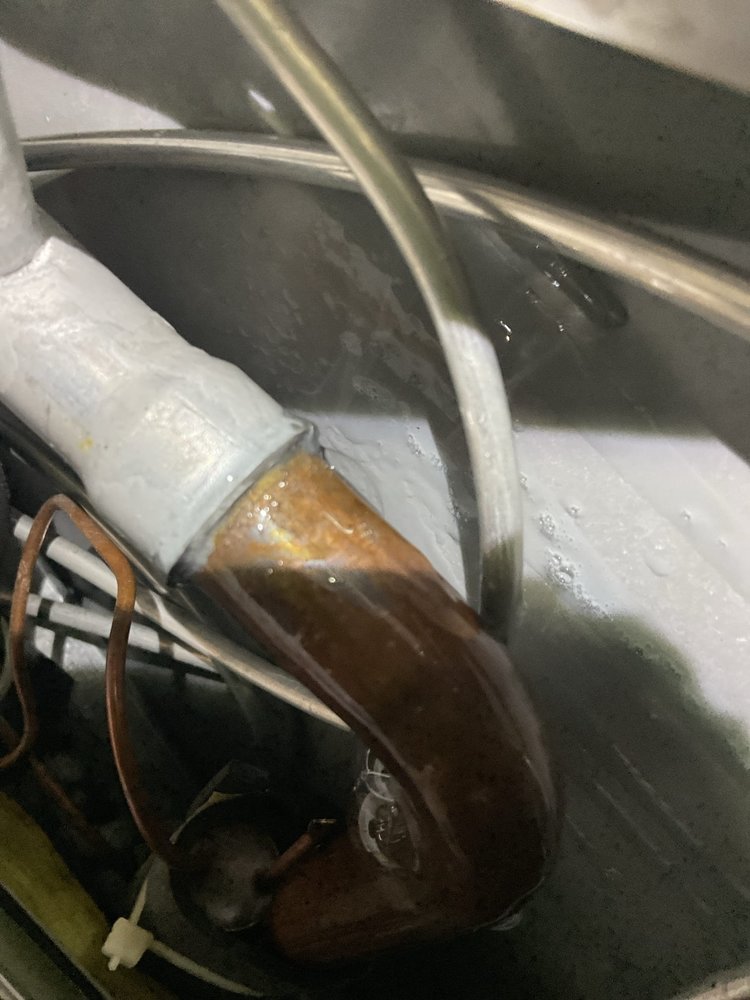
The cooling system at this SeaTac home had shown signs of low refrigerant. An earlier visit added refrigerant as an interim measure and arranged further investigation. During the completed leak-search appointment, our technician traced the loss to the indoor coils.
Locating the loss before defining the repair
The tested location of the refrigerant leak meant that the indoor coils would need replacement to seal the refrigerant circuit and recharge it. The finding was more specific than the earlier low-charge diagnosis: it identified the equipment component that a repair would have to address.
The original visit had also noted outdoor airflow concerns, and those were part of the proposed work discussion. The temporary refrigerant addition allowed cooling at that earlier appointment, but it did not remove the need to find the leak or establish a lasting correction. The return visit supplied that missing diagnostic information.
Giving the homeowner a repair decision
Because of the existing system's age and the nature of the coil work, the technician recommended considering replacement as an alternative. The homeowner wanted to review estimates before deciding and already had contact with a comfort advisor to discuss the options. Both alternatives remained available for the homeowner to review.
The available record does not establish a completed coil replacement or a new system installation. For the homeowner, the useful result was a defined repair scope alongside a replacement option. The decision could now be based on a located indoor-coil leak, rather than simply choosing whether to add more refrigerant to equipment that was known to be losing it.
Need help with your heating system?
Tell us what the equipment is doing and when the problem appears.